
It’s not fun to admit, but quite often, many of us walk out of conference rooms after meetings feeling like valuable time was wasted or a client’s confidence in your ability to deliver has diminished. It always seems to be for the same reasons too. Either half the meeting is spent troubleshooting audio issues, finding the right video input source, or fixing a bad connection so remote audiences aren’t seeing pixelated video. One issue after another sucks the productivity right out of the room. Now every time a meeting invitation rolls through your inbox, you dread attending because it’s just going to be another wasted hour that could have been used for meaningful collaboration.
But before you lose all hope in meetings, you should know what’s killing your productivity.

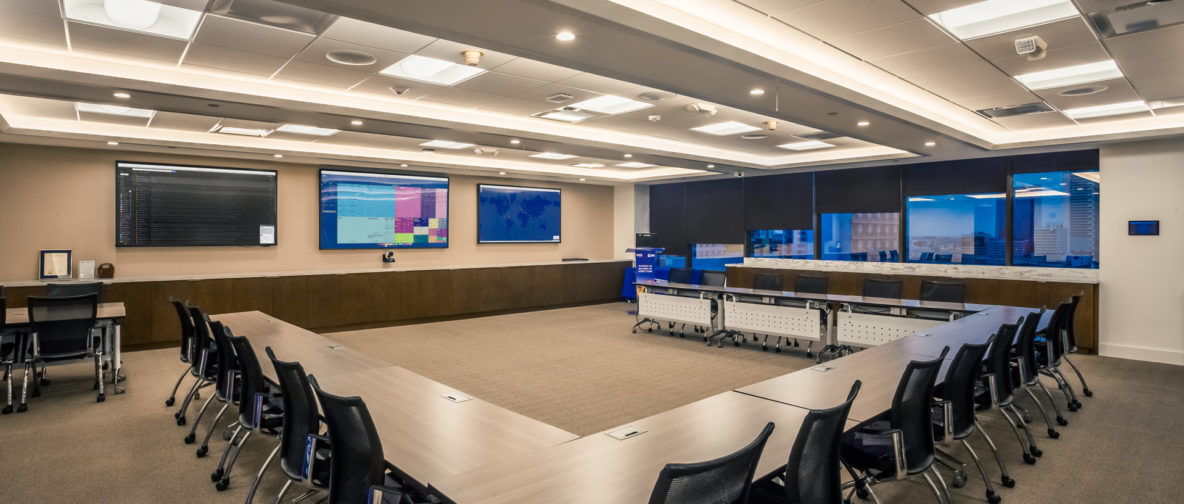
If you haven’t guessed by now, the root of the problem is your conference room’s audio and video configuration. Your conference room should act as the focal point of the business. Where clients are creatively presented pitches that lead to closed deals and teams shares ideas that inspire innovation. Plus, as more companies shift towards remote workforces, your conference room must be designed and configured with the right tools to facilitate digital collaboration.
But if your meetings now are spent sorting through dongles or figuring out the correct content source you need to examine if your conference room is benefiting your organization’s productivity. With client perception and the bottom line at stake, your conference room needs to help employees, both in-office and remote, seamlessly collaborate from any location with reliable, simple to use A/V tools.
Before you can find the right meeting-room solution for your business, you must investigate what exactly is going wrong during meetings and hindering productivity. So let’s explore some of the ways your conference room is getting in the way.
Why is Your Conference Room Killing Productivity?
1. The Tech Is Outdated
Technology isn’t just some added value to your meetings anymore, it’s an absolute requirement. Your conference rooms need to be designed and equipped with up to date tools to deliver what employees and clients expect. If your conference room’s audio and visual technology hasn’t been updated within the last 5 years, or even at all, you’re seriously throwing a wrench in your ability to productively collaborate. It’s already an uphill battle for meeting organizers to keep the conversation on topic and everyone engaged. When you add faulty or outdated technology to that equation, presenters don’t have a chance at success. That’s why your conference room needs to be fitted with the right tools to facilitate productive, attention-grabbing, and stress-free meetings.
Upgrading workplace technology also means making sure the underlying electrical infrastructure can support it. Interactive displays, video conferencing systems, digital control panels, and integrated audio equipment all rely on dependable power and properly installed wiring to perform at their best. Businesses planning office technology upgrades often invest in commercial electrical services to ensure new systems are installed safely, operate reliably, and can accommodate future workplace innovations without unnecessary disruptions.
Many organizations also overlook the importance of planning for future expansion when upgrading meeting spaces. As collaboration tools continue to evolve, conference rooms may require additional displays, charging stations, smart controls, or integrated communication systems over time. Building a flexible infrastructure from the beginning makes these upgrades easier to implement, helping businesses avoid costly modifications while ensuring their meeting environments remain efficient and ready for changing workplace needs.
Regular electrical inspections are another important part of maintaining a reliable workplace environment, especially after introducing new technology and equipment. Wiring, outlets, panels, and other electrical components should remain in good working condition as office demands increase.
Bringing in an electrical expert inspection at the right stage gives businesses a clearer picture of the existing system, while companies working with Electric Express Electrians can address electrical concerns before they interfere with daily operations.
Planning inspections alongside technology upgrades also keeps future improvements easier to manage. A well-maintained electrical system supports new equipment without placing unnecessary strain on existing components, allowing meeting spaces and work areas to evolve with changing business requirements.

2. Office Refurbishment Supports Smarter Meeting Spaces
Businesses planning long-term workplace improvements often find that upgrading conference room technology is only one part of creating a more productive environment. A well-planned office refurbishment Bedfordshire project can improve room layouts, enhance acoustics, modernise lighting, and create flexible spaces that better support collaboration, client meetings, and hybrid working.
Combining workplace technology with thoughtful refurbishment also allows organisations to future-proof their offices as operational needs change. By redesigning meeting areas alongside broader workplace improvements, businesses can create functional spaces that support employee productivity while presenting a professional image to clients and visitors.
This placement flows naturally because the article has just finished discussing future-ready meeting spaces and workplace infrastructure, making office refurbishment a logical next topic rather than an unrelated insertion.
3. The Microphones Aren’t Doing Their Job
If you’re like us, there’s nothing more frustrating than not being able to hear people talking during a meeting – whether you’re in the room or tuned-in remotely. Yeah, it’s understandable when one meeting has some audio hiccups, but when they consistently deter the flow of meetings, something is wrong. In our experience, sound issues are probably the most common complaint clients have about their conference room. Sometimes it’s because they’re still relying on a tabletop phone for their speaker and microphone needs. Other times, it’s because the size of the space doesn’t allow both in-room and remote audiences to evenly and clearly hear presenters. No matter the reason, if audio quality issues are hurting the productivity of your meetings it’s time to find a solution. We typically recommend installing state-of-the-art in-ceiling microphones and speakers as part of a complete digital audio system to ensure you’re taking full advantage of the size of your space and evenly distributing sound to all of your meetings attendees.
4. The Video Teleconferencing System Doesn’t Support Meaningful Collaboration
One of the core benefits of video conferencing is its ability to increase productivity. It improves communication across disparate teams, boosts attendance, and allows for faster decision making. Thus, it’s important that a conference room’s Video Teleconferencing (VTC) system is user-friendly and reliable, allowing employees to meet, collaborate, and present without interruption. Your conference room’s VTC must also be able to provide the highest-quality video experience for everyone involved. If your current system repeatedly experiences functionality issues, is unable to integrate with your presentation tools, or does not offer the same clear resolution for both in-room and remote attendees then it’s time to rethink your conference room’s approach to video conferencing to ensure you’re achieving the highest amount of productivity possible

 5. There Are Too Many Working Parts
How many cringeworthy meetings have you attended where the meeting organizers try to frantically connect one controller after the next to get the A/V equipment to function or switch between content sources? Probably too many to count right, right. It’s even worse when presenters need to call in the IT guy to come quickly get things back up and running. Situations like these are great examples of when there are just too many working components to get a meeting presentation going. Imagine attending a meeting and all the presenter needs to do is press a button to get started. It’d be a dream come true when it comes to maintaining productivity during meetings. Well, it’s all possible if your conference has a well-designed and intelligently programmed system that any presenter can simply operate.
Ensuring your ability to productively collaborate is crucial to satisfying your clients and achieving success. That’s why you can’t let your conference room, one of the keystones of your business, hold your teams back from working at their peak performance. Now that you know the ways your conference room could be decreasing productivity, it’s time to find a meeting room solution that supports your company’s genuine enthusiasm for driving success.
Ready to explore the digital collaboration possibilities for your conference room? Let’s have a conversation.